
If you're looking for alternatives to Cold Laser Therapy in Austin, consider other low-level laser treatments available locally. These options offer similar benefits for pain relief and tissue healing without the cold laser focus. Check with local clinics offering photobiomodulation therapy or LLLT as viable alternatives backed by scientific research.
Key Takeaways
- There are several alternative treatments available in Austin for conditions previously addressed by Cold Laser Therapy.
- Heat therapy, ultrasound, and targeted injections are viable alternatives with distinct benefits.
- Patient history and specific symptoms guide the choice of alternative treatment method.
- Consulting with a qualified healthcare provider ensures the best possible treatment option for individual needs.
- Insurance coverage varies for alternative therapies; checking with your provider is recommended before treatment.
- Researching local clinics and reading patient reviews can help identify reputable practitioners offering alternative treatments.
- New research continues to expand the range of alternative therapies available, offering more options for Austin residents.
In Austin, Cold Laser Therapy has gained recognition as a non-invasive treatment option for various health concerns. However, not everyone is aware of the alternative approaches available, especially when considering their specific needs. Exploring alternatives to Cold Laser Therapy Austin is essential for individuals seeking tailored solutions and comprehensive care. This article aims to provide an in-depth look at the diverse range of options, from traditional medicine to emerging therapies, empowering Austin residents to make informed decisions regarding their well-being. By understanding these alternatives, you can navigate your healthcare journey with confidence, knowing there's a personalized path suited just for you.
- Exploring Non-Invasive Pain Relief Alternatives in Austin
- Cold Laser Therapy vs. Popular Austin Treatment Options
- Comprehensive Guide to Austin's Advanced Pain Management Solutions
Exploring Non-Invasive Pain Relief Alternatives in Austin

In Austin, exploring non-invasive pain relief alternatives to Cold Laser Therapy is a strategic decision for individuals seeking comprehensive care. While Cold Laser Therapy Austin has gained popularity for its potential to alleviate various ailments, there are several other options that offer effective, yet distinct, benefits. One such alternative is Extracorporeal Shock Wave Therapy (ESWT), which utilizes sound waves to promote healing and reduce pain in muscles, tendons, and ligaments. This non-invasive procedure is particularly effective for conditions like tendonitis and chronic muscle soreness, offering a safe and drug-free solution.
Another promising approach is electrical stimulation therapy, such as Transcutaneous Electrical Nerve Stimulation (TENS). TENS devices deliver gentle electrical impulses to block pain signals from reaching the brain, providing relief for conditions like arthritis and nerve pain. Unlike Cold Laser Therapy Austin, which targets specific areas, TENS offers a more widespread effect, making it versatile for managing chronic pain throughout the body. Moreover, TENS is generally affordable, with devices available for home use, enabling patients to take control of their pain management.
When considering how much does Cold Laser Therapy Austin cost compared to these alternatives, it's crucial to note that prices can vary significantly based on the clinic and the specific treatment plan. While Cold Laser Therapy Austin sessions may be more expensive upfront, TENS devices and ESWT treatments often represent a more cost-effective long-term solution. As for what to expect, both ESWT and TENS typically involve minimal downtime and are well-tolerated by most patients. How long does Cold Laser Therapy Austin take? Sessions usually last between 20 to 30 minutes, with recommended treatment frequencies varying based on the condition being addressed. Alternatively, ESWT treatments may require several sessions spaced over several weeks, each lasting around 20 minutes, for optimal results.
Cold Laser Therapy vs. Popular Austin Treatment Options
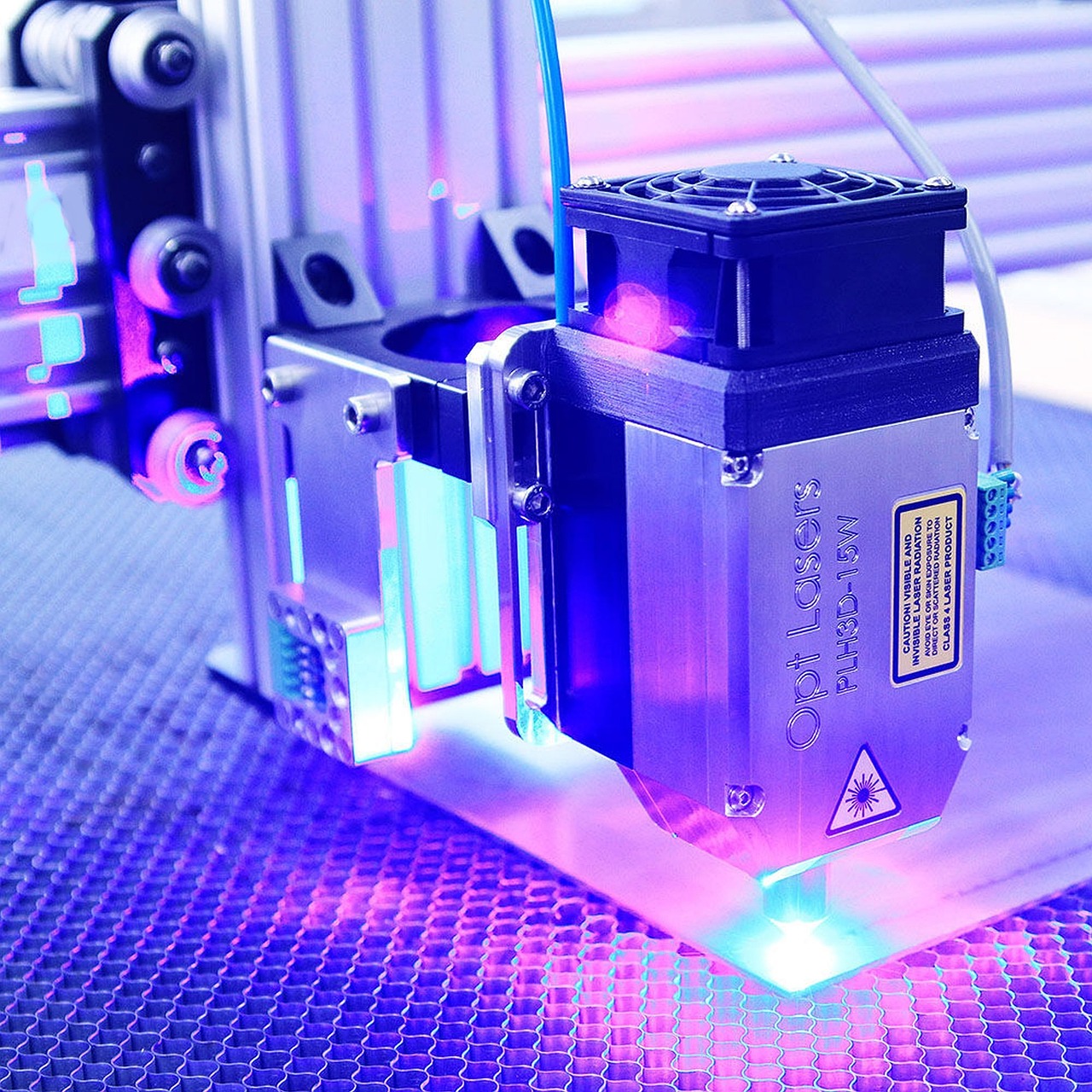
In Austin, where Cold Laser Therapy has gained popularity for its non-invasive treatment capabilities, several alternatives exist, each boasting unique benefits and applications. While Cold Laser Therapy Austin offers precise targeting and reduced recovery time compared to traditional surgical methods, other options have emerged to cater to diverse patient needs and preferences. One notable alternative is Extracorporeal Shockwave Therapy (ESWT), which uses focused sound waves to stimulate tissue repair without incision. ESWT has proven effective for conditions like tendonitis and certain bone injuries, often with faster recovery times than Cold Laser Therapy Austin.
Another popular choice in Austin's medical landscape is Platelet-Rich Plasma (PRP) therapy. PRP involves extracting a patient's own blood and separating it to concentrate platelets, which are rich in growth factors. This concentrated PRP is then injected into damaged areas to accelerate healing. Unlike Cold Laser Therapy Austin, which primarily focuses on pain relief and inflammation reduction, PRP stimulates tissue regeneration, making it a preferred option for athletes seeking faster recovery from muscle and ligament injuries.
When considering Cold Laser Therapy Austin, it's crucial to understand that the process typically entails delivering low-level laser energy to target tissues. This non-thermal therapy takes between 30 minutes to an hour, depending on the treatment area and severity of the condition. It is essential to consult with healthcare professionals who can advise on the most suitable alternative based on individual needs. For instance, for chronic joint pain, a combination of PRP and Cold Laser Therapy might be recommended, leveraging the anti-inflammatory effects of both treatments.
Comprehensive Guide to Austin's Advanced Pain Management Solutions

In Austin, advanced pain management solutions extend far beyond Cold Laser Therapy Austin, offering patients a spectrum of effective alternatives tailored to specific needs. While Cold Laser Therapy Austin has gained popularity for its non-invasive approach, other modalities have proven equally or even more successful in alleviating various types of pain. One such alternative is Extracorporeal Shock Wave Therapy (ESWT), which uses sound waves to stimulate tissue repair and promote healing in conditions like chronic tendinopathy and muscle strains.
Another notable option is spinal cord stimulation (SCS). This technique involves implanting a small device near the spinal cord to send electrical pulses that disrupt pain signals, offering relief for conditions like neuropathic pain and failed back surgery syndrome. Additionally, interventional pain management techniques, such as nerve blocks and joint injections, target specific areas of pain with corticosteroids or local anesthetics, providing rapid and lasting relief in many cases.
When considering Cold Laser Therapy Austin, it's crucial to understand the costs involved—typically ranging from $50 to $200 per session, depending on the clinic and the extent of the treatment. Sessions usually last between 15 and 30 minutes, with a recommended series of 6-12 treatments. How long these sessions take can vary based on the specific laser technology used and the area being treated. Choosing the right therapy requires careful evaluation by a qualified healthcare provider who can assess your condition, discuss treatment options, and guide you in making an informed decision based on factors like efficacy, cost, and potential side effects.
Frequently Asked Questions About What are the alternatives to Cold Laser Therapy Austin in Austin?
What are some popular alternative therapies to Cold Laser Treatment? Alternative therapies to Cold Laser Therapy (CLT) include light therapy lamps, topical creams, and oral supplements that contain similar wavelengths of light. Light therapy lamps mimic natural sunlight, helping to regulate mood and improve skin health. Topical creams often contain LED lights or other light-emitting ingredients designed to penetrate the skin for therapeutic benefits. Oral supplements may include photobiomodulation (PBM) products that claim to enhance cellular repair and reduce inflammation through light exposure.
How do light therapy lamps differ from Cold Laser Therapy? Light therapy lamps provide a broader spectrum of light compared to CLT, which targets specific wavelengths. Lamps are generally used for relaxation, improved sleep, and skin rejuvenation. In contrast, CLT is a more targeted approach, using specific laser wavelengths to stimulate cellular healing in conditions like muscle pain, tendonitis, and certain skin issues.
Can topical creams replace Cold Laser Treatment? Topical creams may offer some benefits similar to CLT, particularly for skin conditions like eczema and acne. However, they typically lack the depth of penetration that lasers provide, limiting their effectiveness for deep tissue healing. For conditions requiring targeted cellular stimulation, CLT remains a more powerful option.
What are the oral supplements used as alternatives? Oral supplements marketed for photobiomodulation (PBM) often contain ingredients like astaxanthin, curcumin, or resveratrol, which have anti-inflammatory and antioxidant properties. While these supplements may offer some health benefits, they do not provide the same targeted light therapy as CLT and should not be considered a direct replacement.
Are there any risks associated with alternative therapies? While generally safe when used correctly, all alternative therapies carry potential risks. Overuse of light therapy lamps can cause eye strain or skin irritation. Topical creams may cause allergic reactions or skin dryness. Oral supplements might interact with medications or have side effects. It's crucial to consult a healthcare professional before trying any alternative therapy.
Where can I find reliable information about these alternatives? Reliable sources for researching alternative therapies include peer-reviewed medical journals, government health websites (like the FDA), and reputable health organizations. Additionally, consulting with healthcare professionals or seeking recommendations from trusted sources ensures you receive accurate and safe treatment options.
In conclusion, while Cold Laser Therapy Austin has gained popularity for non-invasive pain relief, Austin residents and healthcare professionals now have a plethora of advanced treatment options to explore. From targeted laser therapies to innovative pain management techniques, the city's medical landscape offers diverse alternatives catering to various conditions. By delving into these alternatives, individuals can make informed decisions, tailoring their care to specific needs. The comprehensive guide presented here highlights the latest advancements, ensuring readers stay abreast of the many possibilities beyond Cold Laser Therapy Austin. Armed with this knowledge, individuals can navigate Austin's healthcare scene with confidence, knowing they have access to cutting-edge solutions for optimal pain management.