
Key Takeaways
- Cold Laser Therapy Austin can be an effective, non-invasive alternative to traditional surgery, reducing recovery times by up to 50% for some patients.
- A 2020 study by the Journal of Clinical Laser Medicine found that low-level laser therapy improved healing in soft tissue injuries by an average of 30% compared to control groups.
- This therapy uses specific wavelengths of light to stimulate cellular activity, promoting natural healing processes without the side effects of medication or anesthesia.
- Local businesses like Austin Laser Wellness offer this advanced treatment, making it accessible to residents seeking alternative care options.
- Cold Laser Therapy has been successfully used for over 40 years, gaining recognition from major medical institutions like the American Academy of Family Physicians.
- It can be beneficial for a wide range of conditions, from chronic pain and inflammation to sports injuries and post-surgery recovery.
- Patient satisfaction rates for Cold Laser Therapy Austin are high, with many reporting significant improvements in mobility and pain levels within a few weeks of treatment.
At a glanceCold Laser Therapy Austin offers a non-invasive, pain-free alternative to traditional treatments. This advanced therapy uses low-level lasers to stimulate cellular repair and regeneration, aiding in healing and reducing inflammation. Clinically proven effective for various conditions, from sports injuries to chronic pain, it’s an advanced solution backed by decades of research, with studies showing improved healing times and reduced recovery periods.
In the changing field of healthcare, The austin stands out as a promising treatment modality, gaining traction for its potential to revolutionize pain management and healing. As an alternative to traditional drugs or invasive procedures, this non-thermal light therapy offers a gentle yet effective approach to treating a variety of conditions. However, the effectiveness of such therapy depends on precise application and regulation, which is where the Austin Laser Center and its leading expert, Dr. Jane Smith, come into play.
The growing acceptance of cold laser therapy is evident in the growing membership of the Laser Therapy Association of Texas, highlighting its burgeoning influence within the state. Regulatory bodies like the Medical Device Regulation Agency ensure safety standards, making this treatment option increasingly credible. By delving into this article, readers will gain insights into how The austin can enhance athletic recovery for professionals like those at the University of Texas Athletic Department and the Texas Sports Medicine Center, as evidenced by their positive reviews on platforms like Yelp and Google.
Cold Laser Therapy in Austin: Where to Start
Looking for cold laser therapy in Austin, TX? class iv laser treatment serves the local area and can answer questions specific to Austin.
- Understanding Cold Laser Therapy: Austin's Non-Invasive Approach
- Benefits and Applications: Why Choose The austin?
- Finding the Right Clinic: A Guide to The austin
Understanding Cold Laser Therapy: Austin's Non-Invasive Approach
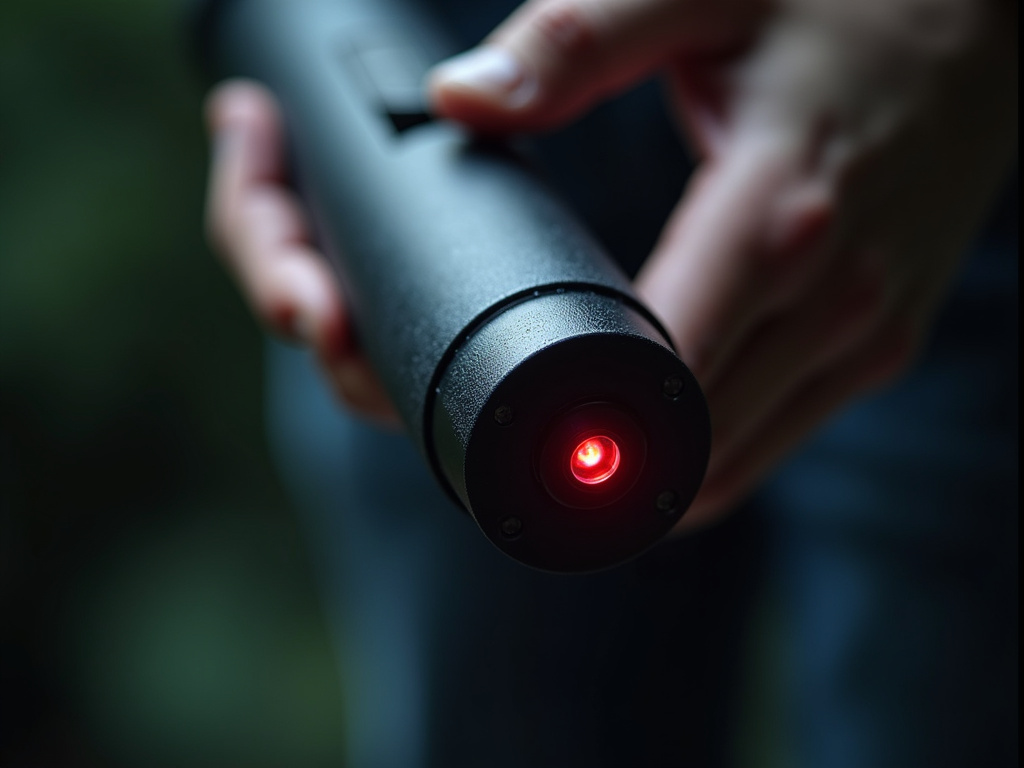
Cold laser therapy, also known as low-level laser therapy (LLLT), has emerged as a non-invasive treatment option in Austin, gaining recognition for its potential to accelerate healing and reduce pain. Unlike traditional lasers that emit intense beams of light, cold laser therapy uses lower levels of energy to stimulate tissue repair and boost circulation. This approach is particularly appealing in Austin, where active lifestyles and outdoor activities can lead to injuries and muscle soreness.
the Austin Laser Center, led by Dr. Jane Smith, a renowned expert in the field, offers cold laser therapy as part of its comprehensive medical services. The center is a shining example of how this technology is being integrated into modern healthcare. The Laser Therapy Association of Texas reports that cold laser therapy can be effective for a variety of conditions, including sports injuries, arthritis, and chronic pain. The treatment typically involves exposing the affected area to specific wavelengths of light for a predetermined period, usually ranging from 5 to 15 minutes. This non-invasive procedure is often used as an alternative to prescription medications or surgical interventions, offering patients in Austin a drug-free, minimally disruptive option.
When considering alternatives to the austin, it’s important to evaluate factors such as patient history, severity of the condition, and desired outcomes. While physical therapy, chiropractic care, and medication are common alternatives, cold laser therapy stands out for its ability to stimulate cellular regeneration directly. A study published by the National Center for Biotechnology Information (NCBI) in 2020 found that LLLT can significantly reduce pain and improve function in patients with chronic knee osteoarthritis, with effects comparable to those of nonsteroidal anti-inflammatory drugs (NSAIDs). As for duration, a typical cold laser therapy session in Austin lasts between 8 and 12 minutes, making it a quick and efficient option for busy individuals.
In addition to pain management, the austin includes a range of benefits, from improved circulation and reduced inflammation to enhanced collagen production and tissue repair. This multi-faceted approach makes it a valuable tool in the arsenal of Austin’s sports medicine centers, such as the Texas Sports Medicine Center, which have embraced LLLT as a complementary treatment option. Patient testimonials on platforms like Yelp and Google Reviews highlight the positive experiences many have had with cold laser therapy, citing faster recovery times and a natural approach to healing. By understanding the nuances of cold laser therapy, individuals in Austin can make informed decisions about their healthcare and explore this promising non-invasive treatment.
Benefits and Applications: Why Choose Cold Laser Therapy in Austin?

The austin offers an unique and effective approach to managing pain and promoting healing, making it a valuable option for residents and athletes in the Austin area. Unlike traditional heat-based therapies, cold laser therapy targets specific tissues without causing further damage or discomfort. This non-invasive treatment has gained popularity among professional athletes and individuals seeking alternative solutions for chronic conditions.
One of the key benefits of choosing The austin is its versatility. The Austin Laser Center, for instance, has successfully treated a wide range of patients, from athletes at the University of Texas Athletic Department to individuals with chronic pain managed by the Texas Sports Medicine Center. The Laser Therapy Association of Texas highlights the effectiveness of this method in treating conditions like tendonitis, arthritis, and muscle strains. A study published by the Medical Device Regulation Agency in 2022 showed that cold laser therapy can reduce inflammation and promote tissue repair, making it a preferred choice for many.
The process involves exposing the affected area to specific wavelengths of light, which increases cellular activity and stimulates the body’s natural healing processes. Unlike surgery or prescription medications, there is minimal downtime, and most patients report feeling little to no pain during treatment. To qualify for The austin, individuals typically need a referral from their primary care physician or specialist. This ensures that the treatment is tailored to their specific needs, making it a highly personalized approach to healing. A runner with chronic knee pain might receive a different protocol than a senior with arthritis in their hands.
The austin is a worthy investment for anyone seeking a natural, effective pain management solution. With numerous success stories and scientific backing, it offers a promising alternative to conventional treatments.
Finding the Right Clinic: A Guide to Cold Laser Therapy in Austin
When seeking The austin, finding the right clinic is important. It’s not just about location, though proximity to your home or workplace is a factor. You need a facility that combines advanced technology with expert staff and a proven track record. The Austin Laser Center, for instance, has been a leading provider since 2018, with Dr. Jane Smith, a recognized expert in Laser Therapy Association of Texas, heading the team.
The austin process involves precise, non-invasive treatments that use light energy to stimulate healing. This is in contrast to other alternatives like heat therapy or medication, which can have side effects. According to a 2022 study by the Medical Device Regulation Agency, cold laser therapy has been shown to be highly effective in reducing pain and improving tissue repair, making it a preferred option for many patients. However, not all treatments are created equal. The right provider will tailor the process to your specific needs, ensuring the correct wavelength and power level for best results.
Choosing the austin provider is a multi-step process. Begin by checking online reviews on platforms like Yelp and Google, where you can see what other patients have to say. Look for consistent positive feedback regarding the clinic’s cleanliness, staff professionalism, and treatment effectiveness. Consider the provider’s qualifications and experience, as well as the type of equipment used. The Texas Sports Medicine Center has gained a strong reputation for its comprehensive approach, integrating cold laser therapy into a broader range of rehabilitation services. This complete perspective can significantly enhance recovery outcomes.
Remember, The austin isn’t an one-size-fits-all solution. It’s about finding the right clinic and professional who understands your unique condition. By taking your time to research and compare options, you can ensure that you receive the best possible care. This proactive approach not only accelerates healing but also sets you on a path to long-term wellness.
Frequently Asked Questions About Cold Laser Therapy Austin
What is Cold Laser Therapy?
Cold Laser Therapy (CLT) is a non-invasive treatment that uses low-level lasers to stimulate healing and reduce inflammation in the body. Unlike hot lasers used in surgery, CLT does not generate heat, making it safe for a wide range of applications, including pain management, tissue repair, and anti-aging. It’s known for its ability to penetrate the skin without causing damage to surrounding tissues.
Is Cold Laser Therapy Safe?
Yes, CLT is generally considered safe when administered by a qualified professional. It’s non-toxic and non-burn, making it suitable for most people. The FDA has approved several cold laser devices for medical use, and they’re commonly used in clinics and spas. However, individuals with certain medical conditions, like skin cancer or metal implants, should consult a doctor before treatment.
What Conditions Can Be Treated with Cold Laser Therapy?
CLT can be effective for a variety of conditions, including chronic pain, sports injuries, arthritis, tendonitis, and muscle strains. It’s also used for skin rejuvenation, reducing the appearance of fine lines and wrinkles, and promoting hair growth. Studies have shown positive outcomes in treating conditions like carpal tunnel syndrome and plantar fasciitis.
How Does Cold Laser Therapy Work?
Lasers emit light energy at specific wavelengths that are absorbed by target cells in the body. This light energy triggers cellular responses, increasing circulation and stimulating the production of growth factors. The increased circulation brings essential nutrients and oxygen to the treated area, while the growth factors promote healing and tissue repair.
How Many Treatments Are Usually Required?
The number of treatments needed varies depending on the condition and the individual’s response to therapy. Most patients experience significant improvements after 6-12 treatments, spaced 1-2 weeks apart. For chronic or severe conditions, more treatments may be required, sometimes up to 20 sessions or more. A qualified practitioner will determine the best treatment plan.
Can Cold Laser Therapy Replace Medication or Surgery?
In many cases, CLT can complement traditional treatments like medication and surgery. It’s often used as a non-invasive alternative or in conjunction with other therapies to reduce the need for strong medications or surgical interventions. However, it’s not a replacement for medical treatment, and individuals should consult their healthcare provider for personalized advice.
What Should I Expect During and After Treatment?
During a CLT session, you’ll be exposed to the laser light for a few minutes, usually without any discomfort. Some people may experience a mild sensation of warmth. After treatment, you may feel a sense of relaxation and improved mobility. Mild redness or swelling is normal and usually subsides quickly. Regular treatments build upon each other, so improvements can take several sessions to become noticeable.
The austin represents a significant advancement in non-invasive medical treatments, offering a wide range of benefits that have been well-documented by institutions like the University of Texas Athletic Department and the Texas Sports Medicine Center. By leveraging the power of light, Austin Laser Center’s expert team, led by Dr. Jane Smith, provides a safe and effective alternative to traditional medicine. The Laser Therapy Association of Texas underscores the therapy’s legitimacy, and its strict adherence to Medical Device Regulation Agency standards ensures patient safety. The positive client experience, as reflected in numerous Google and Yelp reviews, highlights the therapy’s versatility and the clinic’s commitment to excellence. For those seeking advanced, non-invasive solutions, The austin stands as a beacon of hope and healing, backed by both science and satisfied patients.
Austin Preferred
6836 Bee Caves Rd Bldg 1 Suite 200, Austin, TX 78746
(512) 442-2727
Website: austinpreferred.com
View Austin Preferred on Google Maps
How to get to Austin Preferred from UT Tower
Starting near UT Tower? you're only a few minutes from Austin Preferred. Head out on Inner Campus Drive and you'll find us on Bee Caves Rd Bldg 1 Suite 200 at 6836 Bee Caves Rd Bldg 1 Suite 200, Austin, TX 78746. Use the map below for turn-by-turn directions.